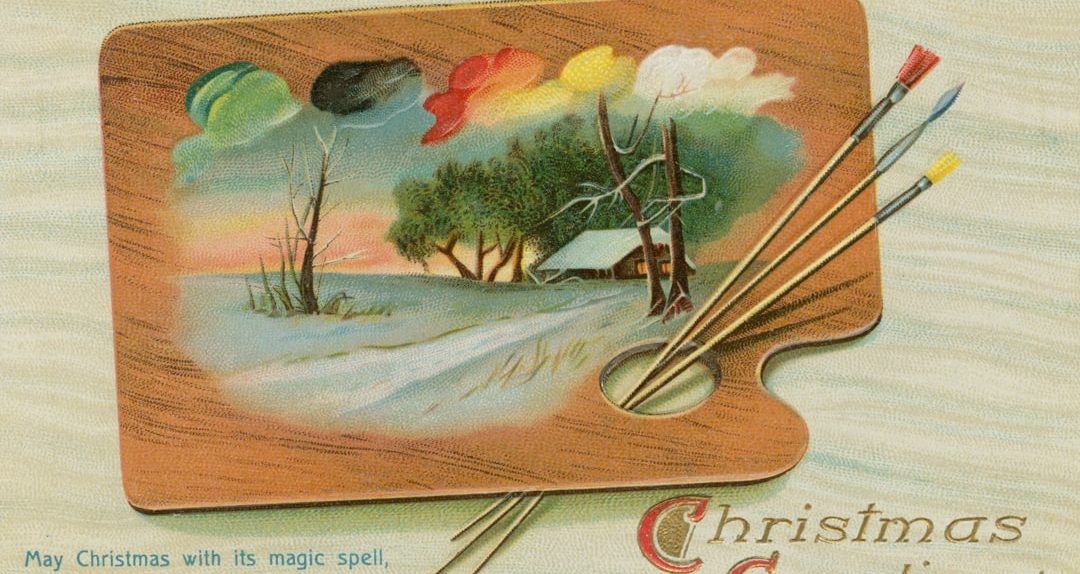
When you send a Christmas card, you’re partaking in a tradition that dates back centuries. The history of Christmas cards is a fascinating journey that reflects the evolution of communication, art, and cultural sentiments surrounding the holiday season.
The Birth of Christmas Cards
The first recorded Christmas card was created in 1843 in England by John Calcott Horsley, an artist commissioned by Sir Henry Cole, a civil servant. This card depicted a festive family scene with a toast to good cheer and the message “A Merry Christmas and a Happy New Year to You.” Horsley’s innovative design sparked an explosion of popularity for holiday greeting cards.
Christmas Cards Through the Ages
As the years progressed, the concept of Christmas cards transformed significantly. By the late 19th century, the advent of lithography and chromolithography allowed for intricate designs and widespread production. Cards became more colorful, featuring wintery scenes, religious motifs, and whimsical illustrations, appealing to a broad audience.
In the United States, the first commercial Christmas cards appeared around 1875. Stores like Hallmark and American Greetings soon capitalized on the trend, offering a variety of designs suitable for all tastes. Meanwhile, in Europe, countries like Germany had their own tradition of sending greeting cards, emphasizing the cultural diversity in Christmas card practices. According to the History Channel, Germany initiated the holiday card tradition with their beautiful hand-painted designs that often included flowing snow and scenes of family gatherings.
Cultural Significance of Christmas Cards
Christmas cards hold much more significance than simply conveying holiday greetings. They represent a medium for personal connection, reinforcing relationships between family and friends. Across various cultures, the traditions surrounding Christmas cards can differ widely.
Global Practices
For instance, in Japan, Christmas is primarily a commercial event with minimal religious connotation. However, sending greeting cards during the New Year, known as Nengajo, is a significant custom, where the cards often feature auspicious symbols and well wishes. In Latin America, the tradition involves beautifully crafted cards that embrace both Christmas and the New Year celebrations, depicting nativity scenes and family gatherings.
Modern Evolution and Trends
Today, digital technology has transformed the way we send Christmas cards. E-cards have emerged as a popular alternative, allowing for faster and more environmentally friendly sending. However, many still cherish the tactile experience of a physical card, which can convey deeper emotion. A survey by Psychology Today reveals that receiving a tangible card can significantly reduce feelings of loneliness, reinforcing the personal touch involved.
The Art and Craft of Christmas Cards
As the tradition evolved, so did the art associated with Christmas cards. Many artists began to specialize in holiday card designs, leading to the creation of limited edition pieces that collectors now seek out. The intricate techniques used in prints, such as embossing and foiling, also added an element of sophistication and appeal.
In contemporary times, personalized cards created through family photos or custom illustrations have gained popularity. This customization allows individuals to express their unique identities and sentiments in their holiday greetings. This move toward personalization reinforces the emotional connection that a greeting card can convey.
Etiquette in Sending Christmas Cards
With all these traditions and histories, there comes an essential set of etiquette for sending Christmas cards. It’s crucial to respect different customs, particularly if your recipients come from diverse backgrounds. For example, in some cultures, sending cards too early might be seen as presumptuous, while in others, it’s welcomed as early as Thanksgiving.
Adding personal touches – a handwritten note or signature – can enhance the sentiment behind your card. As addressed in our article on Christmas Card Etiquette: Do’s and Don’ts, ensuring that you address recipients correctly and consider their preferences plays a significant role in how your card is received.
Christmas Cards in the Digital Age
In the ever-evolving landscape of technology, digital Christmas cards have made a significant impact. They offer convenience, sustainability, and creative freedom. Websites like Canva provide tools for users to create unique e-cards while considering eco-friendly practices. Yet, the debate continues – does a digital card hold the same emotional weight as a printed one? While digital options are practical, many still find joy in choosing, writing, and sending traditional cards.
The combination of traditional and digital practices enriches holiday communication, enabling people to connect in ways that suit their lifestyles. Understanding the historical context may deepen your appreciation for both forms. How to Address and Send Christmas Cards Properly gives insights on ensuring that your greetings reach loved ones in both formats without a hitch.
Closing Thoughts on Christmas Cards
Ultimately, Christmas cards serve as a bridge connecting us across various cultural landscapes and technologies. Their evolution from simple greetings to intricate artworks reflects our desire for connection and expression during the holidays. With every card you send or receive, you are part of a rich tapestry woven through generations. This festive ritual encourages us to pause, reflect, and share in the spirit of goodwill that defines the season.