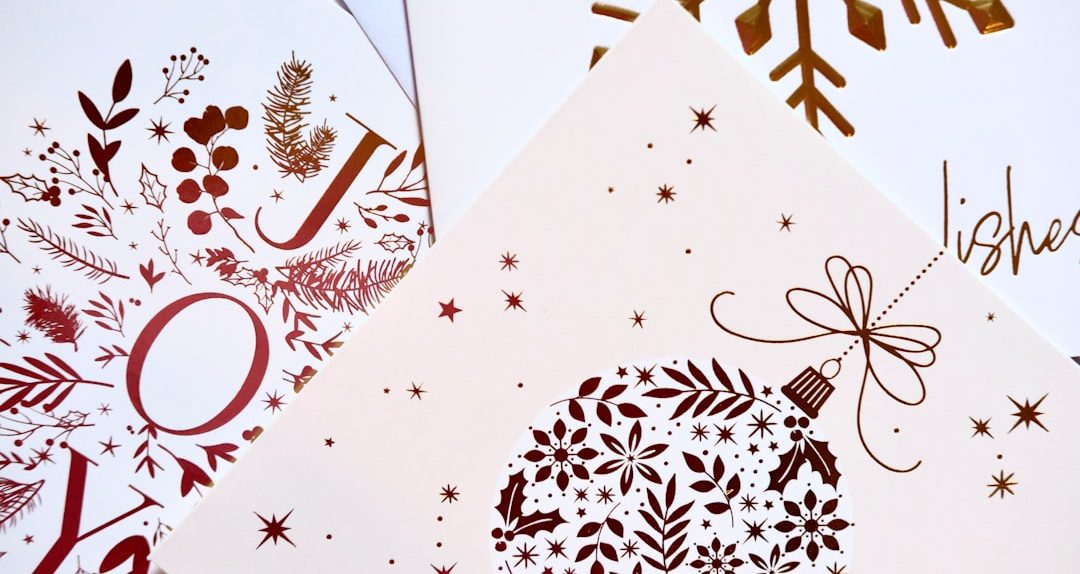
Christmas cards have been a staple of holiday celebrations for centuries, and while their form may have evolved, their significance remains profound. In this digital age, the act of sending a Christmas card serves as a personal touch amid the hustle and bustle of the season.
The Connection Between Tradition and Modernity
Today, many people ask whether sending physical Christmas cards is still relevant, especially as technology provides alternative means of communications, such as emails and social media. However, tradition holds a nostalgic place in our hearts; it embodies the spirit of giving and thoughtful communication.
This tradition dates back to the 19th century when the first commercial holiday cards were produced in England. As History.com explains, these early cards featured festive motifs and were often very sentimental, though some were decidedly morbid. While the designs have changed, the core message remains: reaching out to loved ones during a special time of year.
Cultural Significance of Christmas Cards Globally
Different cultures embrace unique customs when it comes to holiday cards. For instance, in Japan, New Year’s cards (Nengajo) are sent instead of Christmas cards – these cards hold the significance of expressing good wishes for the upcoming year. Similarly, in many Western countries, the act of sending Christmas cards has become more than tradition – it acts as a means for maintaining relationships and fostering connections.
According to an article by the Virginia Museum of History and Culture, many cultures incorporate specific motifs or religious imagery in their cards, reflecting the values and beliefs of their communities. Such variations enrich the exchange, as each card becomes a little piece of cultural storytelling.
The Emotional Connection of Sending Cards
Sending a Christmas card is not just about the greeting itself; it’s an expression of thoughtfulness. When you choose a card, write a personalized message, and seal it with care, you are investing time and intention. This act fosters a sense of belonging and appreciation among friends and family.
As explained by an article from Psych Central, sharing joy and happiness through thoughtful gestures can enhance your own well-being. The simple act of sending a card can evoke positive feelings for both the sender and the recipient.
Choosing the Right Card
When selecting a Christmas card, consider the recipient’s personality and preferences. Here are a few tips to make your selection process easier:
- Choose a card that reflects their sense of humor or sentiments – whether it’s a heartfelt message or a fun illustration.
- Personalize your card with a handwritten note; it shows a deeper level of care and effort.
- Consider eco-friendly options to make a statement about sustainability.
Handmade cards can impart a personal touch, making them memorable. Sites like Pinterest offer countless DIY ideas if you’re feeling crafty.
Timing is Key
When should you send your cards? Timing can impact how your holiday gesture is received. Generally, aim to mail cards early in December to arrive by Christmas and allow your friends and family ample time to display your thoughtful greeting. Some people even choose to send cards for the New Year, which can act as a festive extension of holiday cheer.
It’s worthwhile to note that according to the Royal Mail, the deadlines for posting Christmas cards can vary depending on the destination. Keeping track of the latest posting dates can ensure your cards reach their destination on time.
Incorporating Technology Without Losing Personal Touch
While physical cards remain popular, digital alternatives also exist, such as this example:
Some opt for sending e-cards, which can arrive instantly and incorporate sound or animation. However, many people still believe that physical cards carry a sense of personal touch that digital communications cannot replicate.
According to research from the Postal Service, cards sent via traditional mail continue to evoke greater emotional reactions compared to digital formats. This is perhaps due to the tangible nature of a physical card – it’s an object that can be saved or displayed, becoming a cherished memento.
Navigating Etiquette in Card Sending
To ensure you’re following proper etiquette, there are a few do’s and don’ts to keep in mind:
- – Do include everyone’s names if the card is meant for a family or household.
- – Don’t forget to sign your card with a personal message or note.
- – Do be mindful of the religious sentiments of your recipients; choose cards that suit their beliefs.
If you want deeper insights into Christmas card etiquette, check out our guide on Christmas Card Etiquette: Do’s and Don’ts.
Endless Opportunities for Connection
Ultimately, the act of sending Christmas cards opens doors to meaningful connections. It’s more than just a seasonal gesture; it’s about resuming relationships and spreading warmth among those you cherish. Ensuring that you express genuine sentiments can turn a simple card into a heartfelt message that resonates beyond the holiday.
In today’s world, where digital communication often overshadows our methods of reaching out, remember that the classic Christmas card remains a cherished way to share festive cheer. The physical gesture reminds us to slow down and genuinely connect with those who matter most.
Whether you choose to follow traditional customs or blend in modern approaches, the heart of sending cards remains unchanged. Celebrate this festive tradition in a way that elevates your connections and brings joy, not just during the holidays but throughout the year.
Interested in learning about Christmas card history? Check out The History and Evolution of Christmas Cards for a deep dive into how this tradition has transformed over the years.